What Women Need to Know About Strokes

Why Stroke Affects Women Differently
If you think stroke is something that mainly affects older men, you’re not alone. In reality, stroke is one of the leading causes of death and disability in women, and it often presents differently than many people expect.
Because of these differences, strokes in women can sometimes go unrecognized or untreated for longer than they should. Understanding how stroke works in the body and how it uniquely affects women is key to recognizing symptoms early and reducing risk.
What Happens During a Stroke
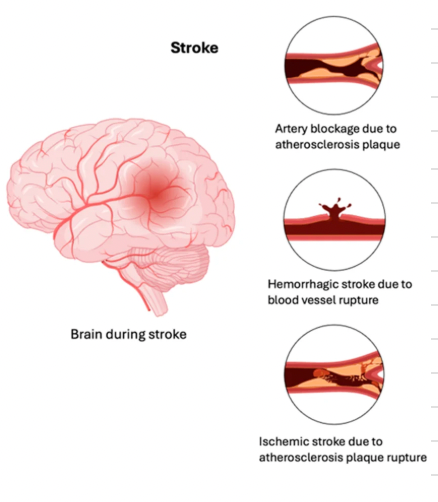
A stroke occurs when blood flow to part of the brain is disrupted. This can happen in two main ways: a blood vessel can become blocked by a clot, or it can rupture and begin to bleed. In both cases, if the affected area of the brain does not receive enough oxygen brain cells begin to die within minutes.
Since the brain controls everything from movement to speech to memory, even a short interruption in blood flow can lead to serious and sometimes permanent damage.
Why Women Are Affected Differently
While men often experience strokes earlier in life, women have a higher lifetime risk. One reason is that women tend to live longer, which increases overall exposure to stroke risk. Biology also plays a major role.
Hormones, especially estrogen, help protect blood vessels. As estrogen levels decrease during menopause, that protection is reduced, which can increase the risk of stroke. Certain conditions unique to women, such as pregnancy-related high blood pressure, can also raise risk later in life.
Other health conditions like irregular heart rhythms may also affect women differently and increase the likelihood of stroke.
Symptoms Are Not Always Obvious

Most people are taught to recognize stroke using the F.A.S.T. signs:
Face drooping
Arm weakness
Speech difficulty
Time to call for help
These signs are important, but they don’t tell the whole story. Women are more likely to experience less typical symptoms, such as sudden confusion, dizziness, fatigue, headache, or nausea.
Because these symptoms can feel vague or unrelated, they are sometimes ignored or mistaken for something less serious. This can delay treatment, which is critical during a stroke.
Risk Factors That Matter
High blood pressure is the most important risk factor for stroke. Other common contributors include smoking, diabetes, high cholesterol, and lack of physical activity.
For women, additional factors can come into play. Hormonal changes, certain types of birth control, pregnancy complications, and menopause can all influence risk. Many women also do not realize that underlying conditions, such as heart disease, can significantly increase the likelihood of stroke.
Recovery and Long-Term Effects
One of the most important differences in stroke between men and women appears after the event.
Women are more likely to experience long-term disability following a stroke. This can include difficulty with everyday tasks such as walking, dressing, or maintaining independence. Many women are also more likely to need long-term care after a stroke.
Recovery can also be affected by mental health. Women are more likely to experience depression after a stroke, which can make recovery more challenging.
Why Awareness Matters
The most important thing to understand about stroke is that timing matters. The sooner a stroke is recognized and treated, the better the chances of recovery.
Many strokes are preventable through lifestyle changes and proper management of conditions like high blood pressure. Staying active, maintaining a balanced diet, and attending regular medical check-ups can all help reduce risk.
Final Thoughts
Stroke does not affect everyone in the same way, and for women, the differences are significant. From risk factors to symptoms to recovery, the experience of stroke is shaped by both biology and lifestyle.
Being aware of these differences makes it easier to recognize warning signs early and take action when it matters most. In many cases, that awareness can be life-saving.



Comments